
Single-Vineyard Wines: Why They Taste Different (and How to Choose)
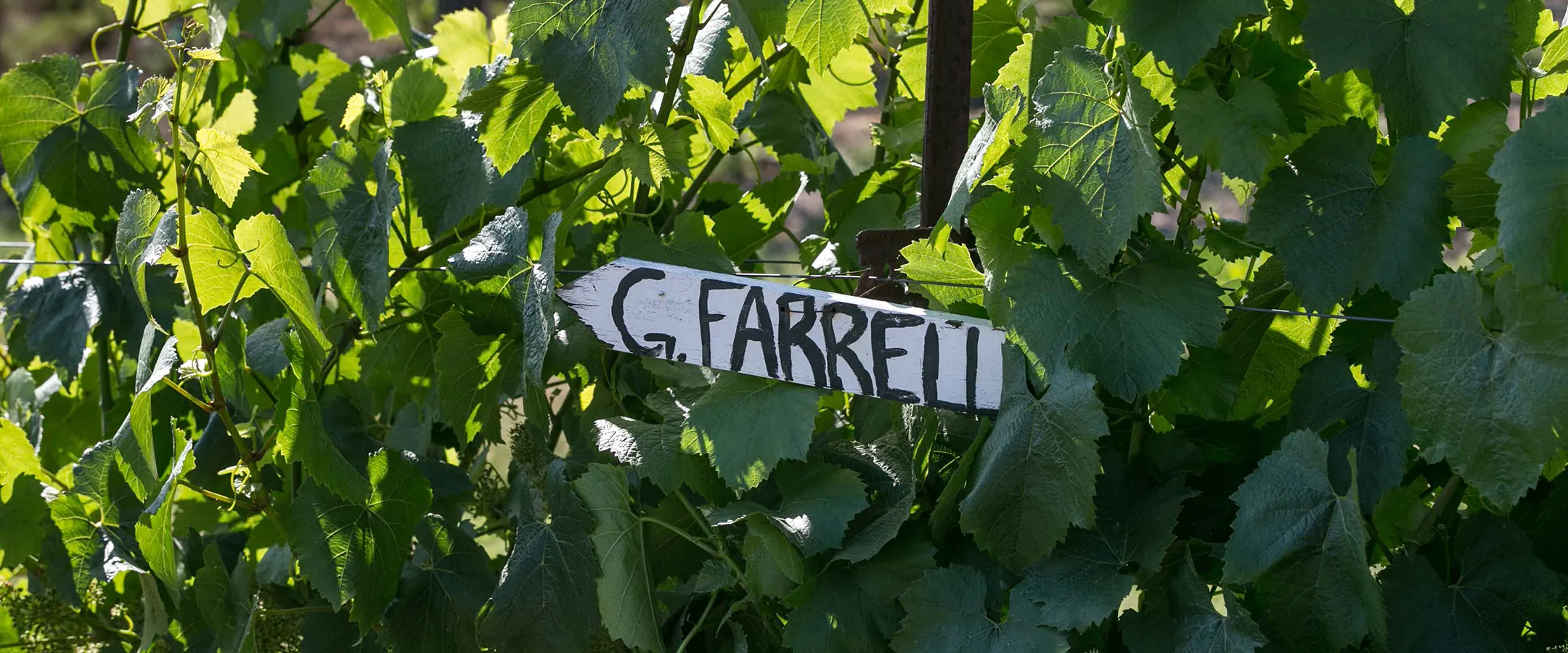
That’s what single-vineyard Pinot Noir and single-vineyard Chardonnay are about: wine from one named piece of ground, not a blend of several, carrying that place into the glass.
What Does “Single-Vineyard” Actually Mean?
A vineyard-designated wine names one specific vineyard instead of a broader region. That’s not a marketing choice. Federal labeling rules require it: at least 95 percent of the wine must come from that named vineyard. An appellation series wine, like our Russian River Valley Pinot Noir, works differently. It draws from several vineyard sites across the region, each contributing to the final blend.
Why Do Single-Vineyard Wines Taste Different From Each Other?
Two vineyard sites a few miles apart can grow grapes with real differences in character. Soil affects how much water and nutrients a vine can draw. Elevation and slope decide how much sun the fruit gets and how fast a vineyard warms after a foggy morning. A block near the river often ripens later, with brighter acidity. A hillside site above the fog line ripens earlier, with deeper color and firmer tannin. Neither is better. Each has its own signature, and that signature carries through fermentation into the finished wine.
SHOP SINGLE-VINEYARD PINOT NOIR & CHARDONNAY
How Is a Single-Vineyard Bottling Different From an Appellation Blend?
Our appellation series wines pull from multiple vineyard sources to build a consistent, layered expression of the Russian River Valley. A single-vineyard bottling takes the opposite approach. Instead of blending for balance, it isolates one vineyard and lets its character stand on its own. An appellation blend tells the story of a region. A single-vineyard wine tells the story of one place within it. Taste both in our Pinot Noir and Chardonnay collections, and the contrast is often the clearest way to understand what single-vineyard means.
How Should You Choose a Single-Vineyard Wine?
A few practical questions can guide the decision.
Choose by style. If you already know you prefer a lighter, brighter Pinot Noir or something richer and more structured, ask our tasting room team which current vineyard sites lean that way. Cooler, fog-influenced sites tend toward bright fruit and firmer acidity. Warmer hillside sites often show deeper color and softer tannin.
Choose by varietal. If Chardonnay is your focus, notice how a vineyard’s soil and sun exposure shows up in texture and acidity, from lean and mineral-driven to fuller and more textural. Pinot Noir works the same way, with vineyard character showing up first in aromatics and mouthfeel.
Choose by occasion. A single-vineyard wine with a distinctive personality makes a strong centerpiece for a dinner where the wine is part of the conversation. An appellation series wine, built for balance, is often the easier choice for a casual gathering.
Where Should You Start If You Are New to Single-Vineyard Wine?
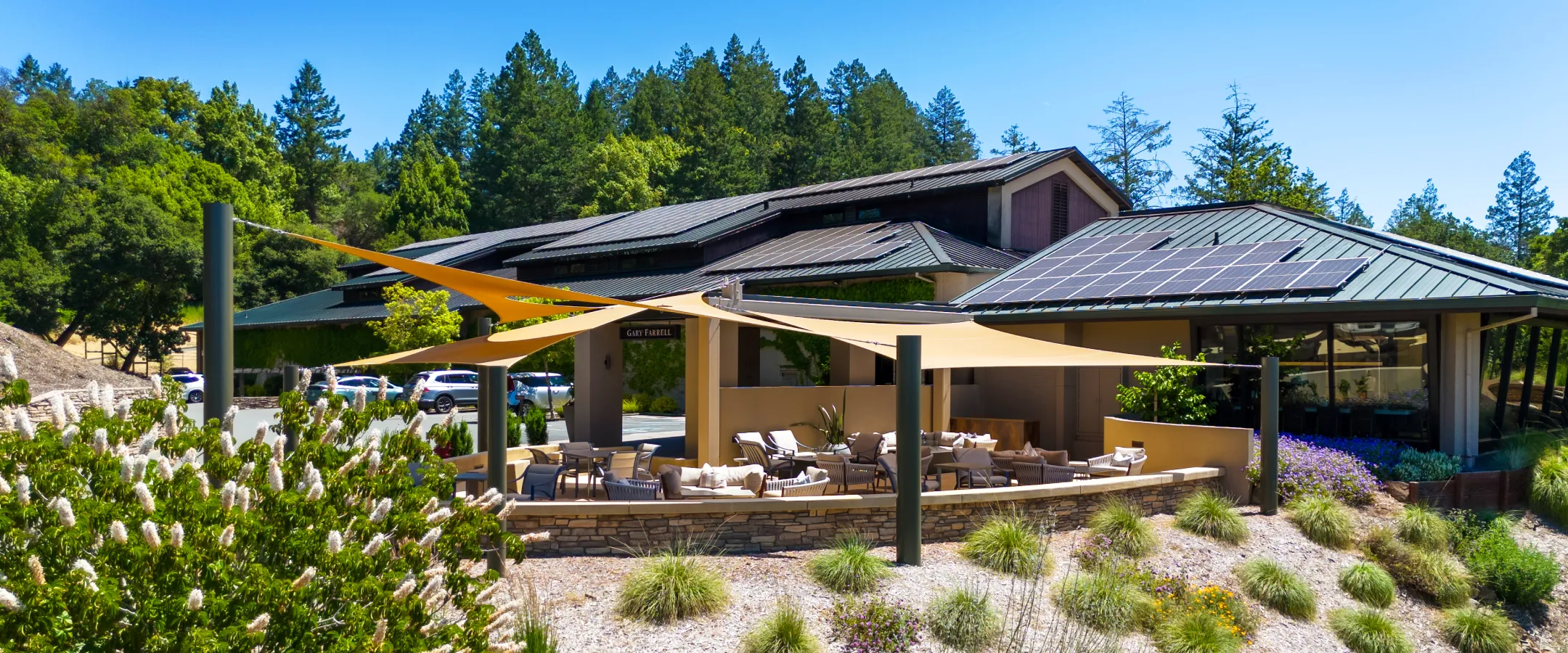
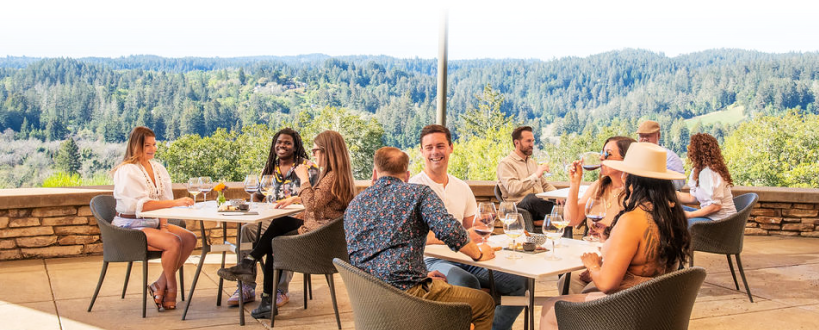
A seated tasting at our hilltop tasting room on Westside Road is built for exactly this. We walk through several single-vineyard wines side by side, so the contrast between sites is immediate. Reserve a visit and build a tasting around Russian River Valley Pinot Noir and Chardonnay.
RESERVE A SINGLE-VINEYARD TASTING
Common Questions About Single-Vineyard Wine
What does “single-vineyard” mean on a wine label?
It means the wine is named for one specific vineyard rather than a region. Federal labeling rules require that at least 95 percent of the wine come from grapes grown on that named vineyard (eCFR, 27 CFR Part 4), which is a stricter standard than an appellation series wine is held to.
Why do two single-vineyard Pinot Noirs taste different from each other?
No two vineyard sites share the same soil, sun exposure, or fog pattern, and those differences shape how the grapes ripen. A cooler, fog-influenced site shows brighter fruit and firmer structure. A warmer hillside site leans toward deeper color and softer tannin, even in the same cellar.
Is a single-vineyard wine always better than an appellation blend?
Not necessarily. An appellation blend is built for balance and consistency across the Russian River Valley. A single-vineyard wine is built to express one place with a more distinctive personality. Which one is better depends on what you want in the glass.
How can I taste single-vineyard wines?
The easiest way is a seated tasting on Westside Road, where we focus on single-vineyard wines so you can taste how each vineyard comes through on its own. Reserve a tasting ahead of your visit and plan around Pinot Noir, Chardonnay, or both.
Does vintage affect single-vineyard character?
Yes. Vintage variation layers on top of a vineyard’s baseline character rather than replacing it. A single vineyard still shows a recognizable signature year to year, even as each vintage brings its own nuance.
Explore Single-Vineyard Pinot Noir and Chardonnay
Explore our single-vineyard and appellation series Pinot Noir.
Explore our single-vineyard and appellation series Chardonnay to compare vineyard character for yourself.
Prefer to taste before you buy? Reserve a seated tasting at our hilltop tasting room on Westside Road.
References
1. Code of Federal Regulations, Title 27, Part 4, Subpart D, Labeling Requirements for Wine (vineyard designation, 95 percent threshold): https://www.ecfr.gov/current/title-27/chapter-I/subchapter-A/part-4/subpart-D